
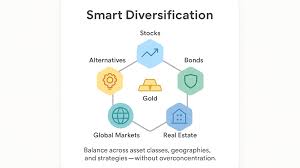
In the business world, betting everything on a single product, service, or market can work — until it doesn’t. One shift in customer behavior, a new competitor, or an economic hiccup can disrupt everything.
That’s why the smartest business owners and entrepreneurs use diversification strategies to reduce risk, unlock new revenue streams, and build long-term resilience.
Whether you’re a startup founder or an established business owner, understanding how to diversify wisely could be the difference between scaling up or stalling out.
🤔 What Is Business Diversification?
Diversification in business means expanding into new areas to reduce reliance on a single source of revenue. It’s a growth strategy that can take many forms — launching new products, entering new markets, or even investing in unrelated industries.
The goal? Spread risk, boost growth potential, and increase stability.
🧩 Types of Diversification Strategies
Here are the four main diversification strategies and how they work:
- Horizontal Diversification
You add new products or services that relate to your existing offering or serve the same customer base.
Example: A coffee shop starts selling baked goods or launching branded coffee beans online.
Why it works: You already know your audience — you’re just offering more ways to serve them.
- Vertical Diversification (or Integration)
You expand into areas up or down your supply chain — either supplying your inputs or distributing your outputs.
Example: A clothing brand starts manufacturing its own fabric (backward integration) or opens its own retail stores (forward integration).
Why it works: You gain more control, reduce costs, and protect your business from supplier or distributor risks.
- Concentric (Related) Diversification
You move into a different but related industry or product line, often leveraging your existing capabilities or technology.
Example: A fitness app starts offering mental health content or supplements.
Why it works: You tap into new customer needs without starting from scratch.
- Conglomerate (Unrelated) Diversification
You branch out into completely different industries — often to reduce overall business risk.
Example: A tech company invests in real estate or a restaurant chain.
Why it works: Spreads risk across sectors — if one industry suffers, others might thrive.
💡 When Should a Business Diversify?
Diversification is powerful — but only when done for the right reasons. Consider diversifying if:
✅ Your core market is saturated or shrinking
✅ You have untapped resources or capabilities
✅ You’re overexposed to a single risk (supplier, product, or market)
✅ You see a clear opportunity in a related or emerging sector
But beware: diversification without strategy can drain focus, cash, and customers.
⚠️ Common Diversification Mistakes to Avoid
Chasing trends without understanding the new market
Ignoring core business health — don’t diversify to escape problems
Overleveraging — taking on too much financial or operational risk
Failing to test — launch small, learn fast, then scale
🛠️ How to Build a Smart Diversification Plan
Start with market research – Is there demand? Who’s the competition?
Assess your strengths – What resources, skills, or assets can you leverage?
Align with your brand – Even new ventures should reflect your values.
Pilot first – Test a new idea on a small scale before fully committing.
Track performance – Use metrics to measure what’s working and why.
🔚 Final Thoughts: Diversity = Stability + Opportunity
Diversification isn’t just about growing — it’s about protecting what you’ve already built. By expanding wisely into new products, markets, or industries, you can stay agile, stay profitable, and stay ahead of the curve.
So ask yourself: What’s your business’s next smart move? It might just be something new.