
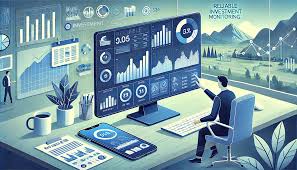
Investing isn’t a set-it-and-forget-it game — nor is it something you should obsessively refresh every five minutes. The key to long-term success? Smart, consistent monitoring that keeps your portfolio aligned with your goals, not your emotions.
Whether you’re a new investor or a seasoned business owner managing surplus capital, understanding how to effectively track your investments can make all the difference between building wealth and simply hoping for the best.
Let’s break down how to monitor your investments the right way — without the stress.
👀 Why Monitoring Your Investments Matters
Investments are dynamic. Markets shift, personal goals evolve, and asset performance varies. Monitoring helps you:
Stay aligned with your financial goals
Identify underperforming assets early
Rebalance your portfolio when needed
React to life changes (not market noise)
Think of monitoring as routine maintenance — like servicing your car. You don’t wait until it breaks down; you keep an eye on the essentials to make sure it stays on the road.
🛠️ What to Monitor (And How Often)
You don’t need to check every day. In fact, that can do more harm than good. Instead, focus on these key areas:
- Performance vs. Benchmarks
Are your investments meeting your expected return goals?
Compare against indexes (e.g., S&P 500, MSCI World) — but remember, your goals matter more than market averages.
📅 Check frequency: Quarterly
- Asset Allocation
Are you still balanced according to your risk tolerance (e.g., 70% stocks / 30% bonds)?
Over time, some assets grow faster than others, throwing off your target mix.
📅 Check frequency: Every 6–12 months
- Fees & Costs
Watch for hidden fees in mutual funds, ETFs, or advisory services.
Even 1% in extra fees can significantly reduce returns over decades.
📅 Check frequency: Annually
- Dividends, Interest & Distributions
Are you reinvesting or taking income?
Monitoring cash flow from investments is especially important for retirees or income-focused investors.
📅 Check frequency: Quarterly or when distributions occur
- Tax Implications
Are you triggering short-term capital gains unnecessarily?
Could you be tax-loss harvesting or using tax-advantaged accounts better?
📅 Check frequency: Year-end or before making major trades
⚖️ Rebalancing: When to Take Action
Even the best portfolios drift. If your original plan was 60% stocks and it’s now 75%, it may be time to rebalance — selling some assets and buying others to get back in line.
💡 Tip: Set thresholds (e.g., rebalance when an allocation drifts by 5% or more) to stay disciplined.
📱 Tools for Smarter Monitoring
You don’t need to be a spreadsheet wizard. Use these tools:
Investment apps (like Fidelity, Vanguard, Charles Schwab)
Portfolio trackers (like Personal Capital, Morningstar, or Kubera)
Spreadsheets (for custom tracking)
Robo-advisors (some auto-monitor and rebalance for you)
🧘♂️ Don’t Obsess: Monitor Without Micromanaging
Watching your investments every day is like watching paint dry — stressful and unproductive. The market moves up and down in the short term, but it’s the long game that builds wealth.
Stick to a schedule, trust your strategy, and only make changes based on data or life events — not fear or hype.
🔚 Final Thoughts: Be Informed, Not Reactive
Monitoring your investments doesn’t mean hovering over your portfolio — it means checking in with purpose. With the right rhythm and tools, you can stay confident, stay informed, and stay on track to reach your goals.
📌 Need help reviewing your portfolio or setting up a monitoring plan? A financial advisor can help bring clarity and structure to your strategy.