
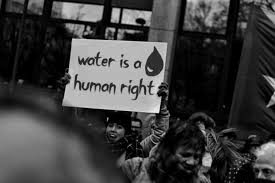
As global populations rise and climate change intensifies, one resource is emerging as both scarce and invaluable: water.
From agriculture to energy production, from drinking water to industrial processes — every economy runs on water. But as demand surges and supply shrinks, investors are turning to a once-overlooked commodity with enormous potential:
➡️ Water rights.
In this post, we’ll explore how water rights work, why they’re becoming an investable asset, and what you should know before diving in.
🌊 What Are Water Rights?
Water rights are legal entitlements that allow individuals, businesses, or governments to use water from a specific source — such as a river, lake, or aquifer — for defined purposes like:
Irrigation
Livestock
Industrial use
Municipal supply
These rights are often regulated by local or state authorities and can be bought, sold, or leased — much like real estate.
💼 Why Invest in Water Rights?
- Scarcity = Value
Only about 1% of the world’s water is accessible and usable by humans. Meanwhile, agricultural and industrial demand continues to grow, especially in arid regions like the western U.S., parts of Australia, and the Middle East.
- Inflation Hedge
Like farmland or gold, water rights tend to retain value during inflationary cycles. As water becomes more scarce, prices may rise — offering a potential hedge against economic volatility.
- Passive Income Potential
Water rights can generate income through leasing agreements, especially to:
Farmers needing irrigation
Municipalities managing water supplies
Developers of real estate or energy projects
- Portfolio Diversification
Water is uncorrelated to stock markets, making it an attractive alternative asset for investors seeking to balance their risk exposure.
📍 Where Are Water Rights Traded?
The market is highly regional, with different rules across countries and states. Some key markets include:
United States: Particularly in the West (California, Colorado, Arizona), where water is regulated under doctrines like prior appropriation.
Australia: Home to one of the most developed water trading systems in the world.
Chile & Spain: Where water rights are also commoditized and transferable.
🏞️ Types of Water Rights (U.S. Example)
- Riparian Rights
Common in eastern U.S.
Linked to land ownership next to water bodies
Usually non-transferable
- Prior Appropriation Rights
Common in western U.S.
“First in time, first in right”
Transferable and tradable — ideal for investment
🔍 How to Invest in Water Rights
✔️ Direct Purchase
Buy water rights in water-scarce regions via brokers or at auctions
Often paired with agricultural or rural land purchases
✔️ Water Leasing
Lease acquired water rights to farmers or municipalities
Can be seasonal or multi-year contracts
✔️ Water Investment Funds
Examples: Water Asset Management, Aqua Capital
Some REITs and funds invest in land with valuable water rights
✔️ ETFs with Water Exposure
While not investing in rights directly, ETFs like PHO, FIW, or CGW offer exposure to water infrastructure, utilities, and technology
⚠️ Risks to Consider
Regulatory Changes: Water laws are complex and can shift due to environmental or political pressure.
Drought & Climate Volatility: Reduced availability could affect lease income or resale value.
Legal Complexity: Rights may come with usage restrictions, seasonal limits, or disputes over seniority.
Liquidity: Water rights can be illiquid; sales may take time and involve legal processes.
🧭 Who Should Consider Water Rights?
Water rights may appeal to:
Institutional investors seeking long-term, inflation-resistant assets
Farmers or agribusinesses looking for security in drought-prone regions
Sustainability-focused investors aiming to align profit with resource stewardship
High-net-worth individuals interested in alternative, uncorrelated assets
🌍 Final Thoughts: Is Water the Next Big Investment Theme?
In a world where natural resources are under growing strain, water is becoming the new oil — but arguably more essential and irreplaceable.
Investing in water rights can offer long-term growth, portfolio resilience, and a chance to play a role in the stewardship of one of our planet’s most critical resources.
But as with any investment, knowledge, due diligence, and strategic partnerships are key.