
In today’s interconnected world, investors are no longer asking “How much can I make?”
They’re also asking, “What impact can I have?”
One of the most powerful answers?
Investing in developing nations.
From boosting local economies to earning competitive returns, putting capital into emerging markets can be both profitable and purposeful. But what does it really mean—and what impact does it have?
Let’s explore.
🌍 What Does “Investing in Developing Nations” Mean?
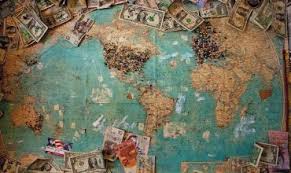
It refers to directing capital—through stocks, bonds, real estate, private equity, or social ventures—into countries classified as developing or emerging economies. These include parts of Africa, Asia, Latin America, and the Middle East.
Key sectors often targeted:
Infrastructure (roads, energy, housing)
Healthcare and education
Agriculture and clean water
Microfinance and fintech
Green energy
💸 The Financial Upside
While developing nations may come with higher risk, they also offer strong upside potential:
- High Growth Potential
These economies are often growing faster than developed ones, fueled by rising middle classes, urbanization, and digital adoption.
- Untapped Markets
Consumer demand is expanding rapidly, creating new business opportunities across sectors.
- Diversification
Investing globally helps reduce portfolio risk, especially when developed markets slow down.
❤️ The Social & Economic Impact
When you invest in developing countries, you’re not just buying into markets—you’re fueling real change:
✔️ Job Creation
Capital helps businesses grow, which directly leads to employment and skill-building in local communities.
✔️ Infrastructure Development
Investments in roads, utilities, and tech improve daily life and long-term economic potential.
✔️ Poverty Reduction
Microloans and fintech services empower individuals—especially women and small entrepreneurs—to rise out of poverty.
✔️ Access to Health and Education
Funding hospitals, schools, or digital health platforms can have generational ripple effects.
⚠️ Risks to Consider
Every investment comes with risk, and emerging markets have unique challenges:
Political instability
Currency fluctuations
Weaker legal systems
Limited market transparency
That’s why it’s crucial to do thorough research, diversify, and often invest through established funds or platforms with experience in the region.
📈 Real-Life Examples of Impact Investing
Africa’s mobile banking revolution (e.g., M-Pesa): Investors helped fund platforms that now serve millions.
Latin American fintech startups: Expanding financial inclusion across underserved populations.
Renewable energy in Southeast Asia: Investments in solar and wind are helping reduce reliance on fossil fuels.
Investing in developing nations isn’t charity.
It’s smart investing with real-world impact.
Yes, the risks are higher—but so are the potential rewards. And not just financially. Every dollar you invest helps build economies, empower communities, and create a more balanced global future.