
You get a raise, land a new client, or your business finally starts booming—and suddenly, life feels easier. You treat yourself to nicer dinners, upgrade your car, or move into a bigger place.
You earned it, right?
Absolutely. But if your expenses rise just as fast as your income, you might fall into a hidden financial trap known as lifestyle inflation—and it can quietly sabotage your long-term wealth goals.
Let’s unpack what lifestyle inflation is, why it happens, and how to protect your savings from it.
💰 What Is Lifestyle Inflation?
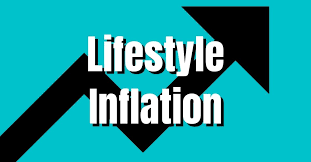
Lifestyle inflation (or “lifestyle creep”) happens when your spending increases as your income grows.
At first, it’s harmless—buying a better phone, eating out more, or upgrading your wardrobe. But over time, those small changes add up. Before you know it, your new, higher income doesn’t feel like more money at all—it just supports a more expensive lifestyle.
⚠️ Why Lifestyle Inflation Is Dangerous
It Kills Your Savings Potential
Every dollar you spend on luxury is a dollar not invested or saved. When income rises but savings don’t, wealth stagnates.
It Keeps You on the Income Treadmill
The more your lifestyle costs, the more income you need to maintain it. If business slows or your job changes, you’re suddenly under pressure to earn just to stay afloat.
It Creates Financial Stress
Ironically, making more money doesn’t always bring more peace. Bigger bills, new commitments, and high expectations can lead to financial anxiety—even when you’re earning more than ever.
💡 Common Triggers of Lifestyle Inflation
Comparison culture: Seeing others upgrade tempts you to keep up.
Emotional spending: Rewarding yourself after hard work feels justified.
Lack of clear goals: Without a savings or investment plan, extra income feels like “spendable” money.
Gradual normalization: What once felt like a treat soon becomes the new standard.
💪 How to Fight Lifestyle Inflation (and Still Enjoy Life)
- Lock in Your Savings First
When your income increases, immediately raise your savings or investment contributions.
For example:
If your salary goes up 10%, increase your savings rate by at least 5%.
Automate these transfers so you never “see” the money in your spending account.
- Set Clear Financial Goals
Define what you want your money to do for you—buy a home, retire early, or grow your business. Goals keep your extra income purposeful instead of wasteful. - Keep Fixed Expenses in Check
Avoid lifestyle upgrades that come with recurring costs—like bigger mortgages, luxury car payments, or high-maintenance subscriptions. Those are the real budget killers. - Reward Yourself—Responsibly
Enjoy your progress! But plan your “treats” intentionally:
Use a small percentage (say 10%) of new income for fun or lifestyle upgrades.
The rest goes toward savings, investments, or debt reduction.
- Review Your Finances Regularly
At least once every quarter, compare your spending and savings growth. If your spending creeps up faster than your income, it’s time to realign.
🚀 Final Thoughts
Lifestyle inflation is sneaky—it doesn’t feel wrong because it’s tied to success. But the difference between looking rich and being wealthy lies in how you manage your money when your income grows.
If you can resist the urge to inflate your lifestyle every time you earn more, your future self will thank you—with financial freedom, peace of mind, and true wealth.
Because real success isn’t about how much you make—it’s about how much you keep.