
When it comes to investing, everyone talks about strategy—but few talk about what really drives success:
Your mindset.
You can have the best portfolio in the world, but if your psychology isn’t right, you’ll sabotage yourself when it matters most.
Let’s explore the hidden mental game of long-term investing—and how mastering it can separate average investors from truly wealthy ones.
🎢 Why Investing Feels Hard (Even When It’s Simple)
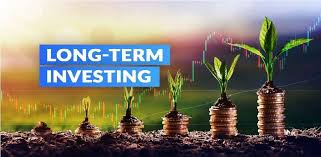
Long-term investing is straightforward in theory:
Buy quality assets.
Hold them for decades.
Let compound interest do its job.
But in practice? It’s emotionally brutal.
Because markets don’t move in straight lines. They test your patience, trigger your fears, and tempt your greed.
And that’s where psychology comes in.
😱 Fear: The Silent Wealth Killer
When markets crash, the natural instinct is to panic. Your brain screams:
“Sell before you lose everything!”
This is called loss aversion—a psychological bias where losses feel twice as painful as gains feel good.
The result? Many investors sell low, locking in losses and missing the eventual recovery.
Smart investors sit tight. Great investors buy more.
🚀 Greed: The Other Trap
On the flip side, when markets boom, FOMO (Fear of Missing Out) kicks in. People pile into hot stocks at all-time highs, expecting the ride to never end.
Then a correction hits, and they’re caught off guard.
Long-term investing requires discipline in good times and bad. Greed clouds judgment just as much as fear.
⏳ Time: Your Greatest Ally (and Biggest Test)
The real magic of investing is compound growth over time—but that takes patience, and patience is rare.
Why?
Because we’re wired for instant gratification. Waiting 10, 20, or 30 years for results feels unnatural in a world of one-click purchases and viral trends.
Long-term investing isn’t sexy—but it’s powerful.
🧘♂️ The Mindset of Long-Term Investors
To thrive as a long-term investor, you need to train your brain. Here’s how:
- Think in Decades, Not Days
Zoom out. The day-to-day noise is meaningless in the grand scheme.
- Detach from Market Emotions
The market is a voting machine in the short term, but a weighing machine in the long term.
- Create Rules—and Stick to Them
Pre-commit to your strategy so you don’t make impulsive decisions during chaos.
- Celebrate Boring
Consistency, not excitement, builds wealth. Don’t chase drama—chase dividends and durability.
- Trust the Process
Historically, the market has always recovered. Your job is to stay in the game long enough to benefit.
📉 When Things Get Rough: Remember This
If you had invested $10,000 in the S&P 500 in 1980 and simply held, reinvesting dividends, you’d have over $1 million today.
You would’ve lived through:
Black Monday (1987)
Dot-com Bubble (2000)
Global Financial Crisis (2008)
COVID Crash (2020)
Inflation & rate hikes (2022–2023)
But staying invested would’ve still paid off—if you kept your cool.
💬 Final Thoughts: Your Mind Is Your Greatest Asset
The difference between average investors and great ones isn’t access to better stocks.
It’s emotional control.
It’s patience.
It’s the ability to do nothing when everyone else is panicking.
Master your mind, and you’ll master the market.
Because in long-term investing, time rewards the disciplined and punishes the reactive.
Ready to invest not just with your money—but with your mind?
That’s how wealth is truly built.