
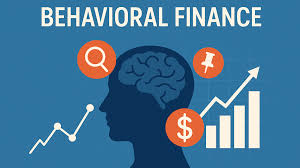
In the world of investing, we often assume that decisions are made rationally — based on data, risk analysis, and long-term goals. But in reality, most financial decisions are influenced by something far less predictable: human behavior.
Welcome to the world of Behavioral Finance, where psychology meets investing, and where understanding your own biases might be more valuable than your portfolio’s performance last quarter.
What Is Behavioral Finance?
Behavioral finance is the study of how emotions, cognitive errors, and social influences impact financial decisions — often leading to irrational or suboptimal outcomes.
It challenges the traditional assumption that investors are always rational and markets are always efficient. Instead, it embraces a more realistic view: we’re human — and humans make mistakes.
The Most Common Behavioral Biases in Finance
- Loss Aversion
People tend to fear losses more than they value gains. Losing $100 hurts more than gaining $100 feels good. This can lead to overly conservative investment behavior — or worse, panic-selling during downturns.
- Overconfidence
Many investors believe they’re better than average at picking stocks or timing the market. Spoiler: most aren’t. Overconfidence can lead to excessive risk-taking or frequent trading, which often eats into returns.
- Herd Mentality
Buying because everyone else is buying. Selling because everyone else is selling. Sound familiar? Following the crowd often results in buying high and selling low — the opposite of what successful investors do.
- Confirmation Bias
We tend to seek out information that supports our existing beliefs and ignore what contradicts them. If you’re convinced a certain stock will soar, you’ll likely pay more attention to bullish headlines than bearish warnings.
- Anchoring
Fixating on irrelevant reference points — like the price you paid for a stock — can cloud judgment. Just because you bought at $100 doesn’t mean that’s what the stock is worth today.
Why It Matters — Especially Now
In volatile markets, behavioral biases become even more pronounced. Fear, greed, and FOMO (fear of missing out) can lead to irrational decisions that deviate from sound strategy.
Understanding behavioral finance gives investors and advisors a powerful edge. It allows for:
Better decision-making under stress
Improved risk management
Greater alignment between goals and actions
Stronger communication between clients and advisors
How to Outsmart Yourself
Behavioral biases aren’t flaws to be ashamed of — they’re features of being human. The key is to recognize them and put systems in place to minimize their impact.
Here are a few strategies:
Have a clear, rules-based investment plan
Avoid making decisions during emotional highs or lows
Use automation or professional advice to remove guesswork
Regularly review (but don’t obsess over) your portfolio
Practice mindfulness or journaling to track your emotional state when making financial decisions
Final Thoughts: Mastering Money Starts with Mastering Mindset
Behavioral finance reminds us that investing isn’t just about numbers — it’s about people. Our decisions are shaped by emotion, bias, and habit more than we’d like to admit.
But here’s the upside: by becoming aware of these tendencies, you don’t just become a better investor — you become a smarter, more disciplined version of yourself.
Because in the battle between your brain and your wallet… the real victory is knowing who’s in charge.