
Markets don’t like uncertainty — and in 2025, there’s plenty of it to go around.
From geopolitical tensions and unpredictable interest rates to tech disruption and election-driven swings, investors are navigating one of the most complex and volatile market environments in recent memory.
In times like these, one principle rises above the noise: diversification isn’t just smart — it’s survival.
But building a truly diversified portfolio today isn’t as simple as “stocks and bonds.” Here’s how to construct a resilient, risk-balanced portfolio designed to weather whatever comes next.
Why Diversification Matters More in Volatile Times
Volatility is like a stress test for your portfolio. If you’re overexposed to one sector, asset class, or region, market turbulence can hit hard and fast.
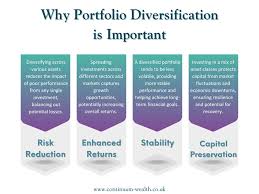
Diversification:
Spreads risk across uncorrelated assets
Reduces portfolio drawdowns
Creates smoother returns over time
Provides dry powder to seize opportunities during corrections
In short, it keeps you in the game — both financially and emotionally.
Step 1: Start With Asset Class Balance
A well-diversified portfolio typically blends the three core asset classes:
Equities – for long-term growth
Fixed Income – for stability and income
Alternatives – for inflation protection, low correlation, and upside
2025 Tip:
Equities remain a growth engine, but consider global exposure and sector rotation.
Bonds are back — with higher yields offering real income.
Alternatives (like real assets, commodities, private credit, or REITs) help hedge against inflation and market volatility.
Step 2: Diversify Within Each Asset Class
Diversification isn’t just about having different assets — it’s about having different types within those categories.
✅ Equities
Blend value and growth styles
Mix large-cap, mid-cap, and small-cap
Add international and emerging markets exposure
✅ Fixed Income
Ladder durations (short-, medium-, long-term bonds)
Include government, corporate, and municipal bonds
Explore floating rate or inflation-protected securities (TIPS)
✅ Alternatives
Consider real estate, commodities, infrastructure, or private markets
Look at hedge fund strategies or liquid alternatives (if accessible and appropriate)
Step 3: Use Risk Allocation — Not Just Capital Allocation
Traditional portfolios often follow a 60/40 equity/bond split. But in volatile markets, risk parity can offer a smarter approach.
Instead of allocating by dollar amount, allocate by risk contribution. This ensures no single asset class dominates your portfolio’s risk — even if it takes up a smaller capital share.
Step 4: Add Tactical Flexibility
Long-term strategy is essential, but being tactically agile can enhance returns in choppy markets.
Rebalance periodically to take profits and reinvest in underperforming areas
Hold a cash buffer for optionality during pullbacks
Use stop-losses or options if you’re comfortable with risk management tools
Step 5: Focus on Quality and Fundamentals
In volatile environments, high-quality investments tend to outperform. Think:
Strong balance sheets
Consistent cash flow
Pricing power
Proven management
Avoid chasing hype or overvalued assets, no matter how strong the momentum.
Step 6: Keep Emotions in Check
Even the most diversified portfolio won’t work if emotions drive your decisions. Set a strategy, stay disciplined, and remember:
“Time in the market beats timing the market — especially when it’s turbulent.”
Volatility creates opportunities, but only for those who are positioned to act — not react.
Final Thoughts: Build a Fortress, Not a Fantasy
In 2025’s market, hope is not a strategy. But diversification is.
A truly diversified portfolio — across assets, geographies, sectors, and risk levels — acts like a financial fortress. It doesn’t eliminate volatility, but it empowers you to face it with confidence.
Because it’s not about predicting the next move. It’s about preparing for whatever comes next.