

Economic downturns can feel unsettling—markets fall, job security wavers, and uncertainty seems to rule the day. But here’s the truth: downturns are an inevitable part of every economic cycle, and for savvy investors, they can also present some of the best opportunities to build long-term wealth.
Whether you’re a beginner or a seasoned investor, understanding how to position your portfolio during tough times can make all the difference. Let’s explore practical investment strategies to help you not only survive—but thrive—when the economy slows down.
- Stay Calm and Keep a Long-Term Perspective
The first rule of investing in a downturn is simple: don’t panic.
Emotional decisions often lead to costly mistakes—like selling investments at a loss or abandoning a well-thought-out plan.
Markets move in cycles. Historically, every recession has eventually been followed by a recovery. Investors who stay the course and focus on the long game often come out ahead once the market rebounds.
Tip: Review your investment goals and remind yourself why you started investing in the first place. If your time horizon is 5–10 years or more, short-term volatility shouldn’t derail your strategy.
- Rebalance and Strengthen Your Portfolio
During an economic downturn, some assets may fall faster than others. This creates an opportunity to rebalance your portfolio—selling overperforming assets and buying undervalued ones to maintain your target allocation.
For example, if your portfolio drifts from 70% stocks and 30% bonds to 60/40 because stocks dropped, rebalancing helps bring it back in line with your risk tolerance and long-term goals.
Consider focusing on:
High-quality companies with strong balance sheets and steady cash flow.
Defensive sectors like healthcare, utilities, and consumer staples.
Dividend-paying stocks that provide income even when markets are down.
- Keep Investing — Even When It Hurts
It’s tempting to stop investing when markets fall—but that’s often when opportunities are best. Continuing to invest through regular contributions, known as dollar-cost averaging, allows you to buy more shares when prices are low and fewer when they’re high.
Over time, this strategy helps lower your average cost per share and can lead to stronger long-term returns once the market recovers.
Remember: Some of the best investments are made when fear is at its peak.
- Build a Safety Net
Before taking on additional investment risk, make sure you have a solid emergency fund—typically three to six months’ worth of living expenses.
Having cash reserves gives you flexibility and peace of mind during uncertain times. It also prevents you from having to sell investments at a loss if unexpected expenses arise.
- Look Beyond Stocks
Diversification is your best defense against volatility. While stocks may take the hardest hit during a downturn, other asset classes can help cushion the blow.
Consider:
Bonds: Especially U.S. Treasuries or high-quality corporate bonds.
Real assets: Like gold or real estate, which may hold value during inflationary periods.
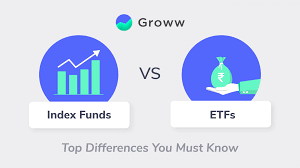
ETFs and index funds: For low-cost, broad diversification across sectors and markets.
- Avoid Speculation and High-Risk Bets
In times of uncertainty, it’s crucial to stay disciplined. Chasing “cheap” stocks or timing the market can backfire quickly. Stick to your strategy, focus on quality investments, and resist the urge to gamble with your portfolio.
- Use Downturns to Your Advantage
Downturns can also be an ideal time to:
Harvest tax losses (offsetting gains to reduce your tax bill).
Refinance debt if interest rates drop.
Reassess goals and adjust your financial plan for the future.
When others retreat in fear, disciplined investors prepare for the next growth phase.
The Bottom Line
Economic downturns are temporary—but the habits and decisions you make during them can have a lasting impact. By staying calm, diversifying wisely, and continuing to invest consistently, you position yourself to take advantage of the recovery when it comes.
As Warren Buffett famously said:
“Be fearful when others are greedy, and greedy when others are fearful.”
Smart investors don’t run from downturns—they use them as opportunities to grow stronger.