
In today’s fast-paced entrepreneurial world, waiting months for a traditional loan approval or giving up massive equity to a VC is no longer the only path to funding. Business owners—especially startups and small businesses—are increasingly turning to crowdfunding and peer investors to launch, grow, or scale.
But what does that really mean? And is it right for your business?
Let’s break it down.
💡 Crowdfunding: More Than Just a Buzzword
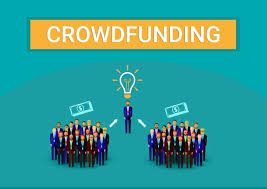
Crowdfunding is the process of raising small amounts of money from a large number of people—typically via online platforms like Kickstarter, Indiegogo, or GoFundMe.
There are a few main types:
Rewards-based crowdfunding: You offer backers a product, service, or exclusive perk in exchange for their support. (Think early access to your new gadget or branded merch.)
Equity crowdfunding: Backers actually invest in your business in exchange for a small share of ownership. Platforms like StartEngine and Wefunder specialize in this model.
Donation-based crowdfunding: Common for non-profits or community-focused businesses, where supporters give with no expectation of return.
✅ Why it’s great:
Builds community and buzz around your brand
Non-dilutive (in some cases)
Validates your idea through real market interest
Faster than traditional funding routes
🤝 Peer Investors: Modern Angels in Disguise
Peer investing connects you directly with individual investors who want to put their money into businesses they believe in—like yours.
These investors might be:
High-net-worth individuals (angel investors)
Fellow entrepreneurs
Professionals from your industry who want to diversify into startups
Platforms like AngelList, Republic, or even LinkedIn can be fertile ground for finding the right peer investors.
✅ Why it’s powerful:
You get not just money, but mentorship
Investors are often more flexible than banks or VCs
Can lead to long-term partnerships and networking opportunities
🔥 Crowdfunding vs Peer Investing: Which One’s Right for You?
Feature Crowdfunding Peer Investing
Fund Amounts Typically small to medium Medium to large
Time to Launch Quick Can take longer
Equity Given Optional (depending on type) Usually yes
Community Engagement High Medium
Long-Term Involvement Low High
Pro Tip: You don’t have to choose just one. Many business owners launch with a crowdfunding campaign to gain traction, then bring in peer investors when scaling.
🧠 Final Thoughts: Think Outside the Bank
As a business owner, your job isn’t just to sell—it’s to strategize. If you’ve been bootstrapping, draining your savings, or waiting for a bank to give you the green light, it might be time to think differently.
Crowdfunding and peer investing aren’t just funding methods—they’re community builders, market testers, and launchpads.